You pulled the brand off a dusty label in the utility room, typed “tidy vac central vacuum” into Google, and got almost nothing useful: a Virginia parts retailer, a commercial janitorial canister, and one lone bag listing. Nothing about your actual wall unit.
Three completely different companies answer to this name, and not one search result separates them. By the end of this guide, you’ll know exactly which Tidy Vac you own, where the last confirmed parts are, and whether your in-wall system is worth keeping or replacing.
Tidy Vac Central Vacuum
Tidy Vac is an orphaned residential central vacuum brand with no active manufacturer behind it. Models CFM2, M102, and M104 still have one confirmed bag source. Every decision starts from parts availability, not product reviews, because the company that built your wall unit no longer exists.Which Tidy Vac Are You Actually Looking At?
Three things share this name, and mixing them up costs time and money. A few seconds on your unit’s label tells you everything you need.
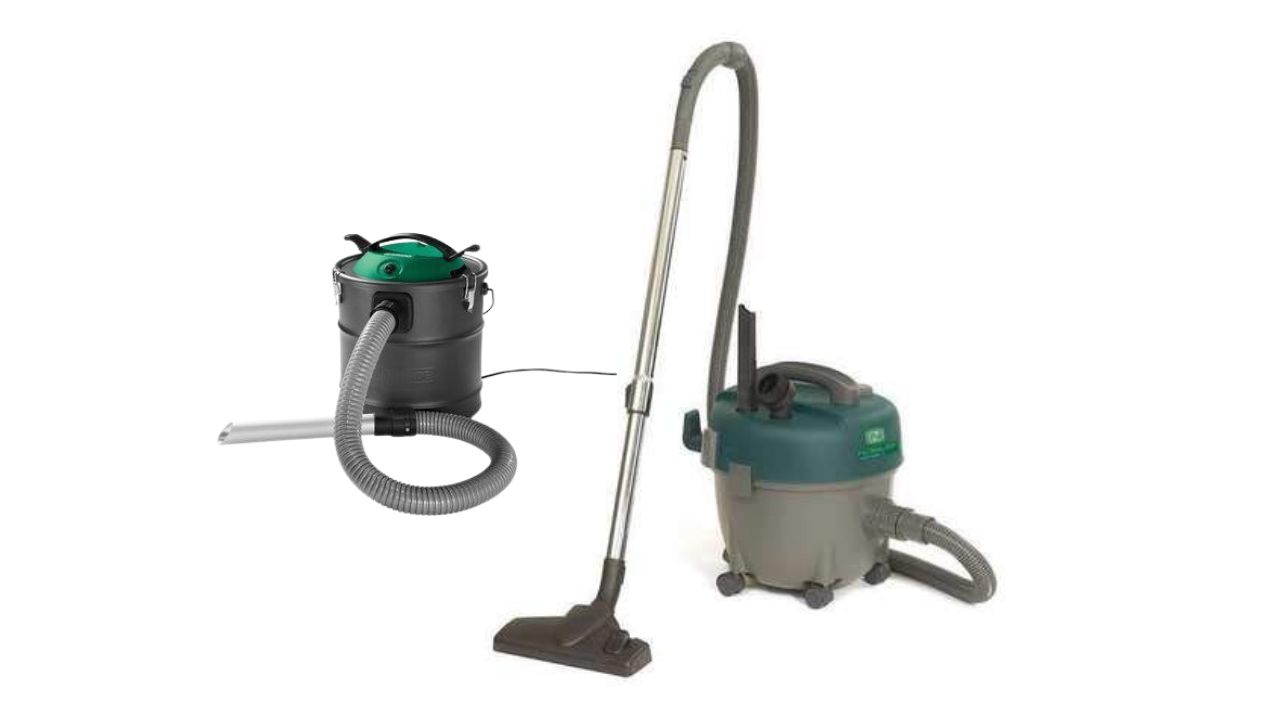
The Garage Canister with CFM2, M102, or M104 on the Label
That model number means you own the orphaned residential central vacuum brand. Tidy Vac built-in vacuum systems circulated primarily in Ontario, Canada, especially in Greater Toronto Area homes from the late 1980s through the mid-2000s. Vacman.ca, an active GTA central vacuum service company, lists “Tidyvac” alongside Beam, owned by Electrolux Group since its acquisition of the brand’s global central vacuum assets, and Canavac, a Canadian-manufactured central vacuum brand, as units their technicians still repair. That field presence almost 20 years later confirms how common these units were.
We found no active manufacturer website, no warranty page, no current dealer network. What exists is a parts trail: one documented bag listing naming the exact model numbers, and technicians who still recognize the unit by sight.
Tidy Vacuums of Winchester, Virginia Sells Bags, Not Central Vacuums
Tidy Vacuums is a family-run parts retailer in Winchester, Virginia, selling on eBay, Walmart, and Amazon under the handle “tidyvac” for over 15 years. They stock bags for NuTone, manufactured under license by Broan-NuTone LLC after Nortek’s consolidation of the brand’s residential ventilation and vacuum lines, Kenmore, Eureka, and dozens of other brands. Strong seller ratings confirm they ship reliably.
But they never built a power unit. The name similarity is coincidence, not affiliation. Confirm any bag model number maps to your CFM2, M102, or M104 before ordering.
The Nobles Tidy-Vac Is a Commercial Canister Wearing a Confusing Name
The Nobles Tidy-Vac is a commercial wet/dry canister vacuum manufactured by Nobles Industries, a division of Tennant Co., built for janitorial work. It plugs into a wall outlet, rolls on wheels, and ships with a 39-foot power cord. It has no connection to in-wall piping, residential central vacuum systems, or any Tidy Vac model.
A 39-foot cord in a search result means you’re reading about the wrong machine. Close that tab.
Why You Can’t Find Tidy Vac Reviews Anywhere
The brand is gone. That single fact explains every dead link, missing spec sheet, and dealer who’s never heard the name.
Orphaned Brands Leave a Paper Trail of Bags, Not Products
The one piece of living evidence is a paper filter bag sold by Allegro Central Vacuums, a specialty aftermarket parts house serving the North American central vacuum market, under part number ZFT010-06, explicitly listed for Tidy Vac models CFM2, M102, and M104. When the only surviving proof of a brand’s existence is a consumable on a parts site, the manufacturer has been gone for years.
This follows the exact pattern of AirVac, Filtex, and M&S Systems. For M Vac systems and key specs in this same orphaned-brand category, the same rule applies: the pipes outlast the brand, and the bags are always the first thing to vanish from supply.
What We Could Not Verify, and Why That Matters to You
We found no confirmed founding company, factory location, or documented discontinuation date. No original air watt ratings, motor specifications, or warranty terms survive in retrievable manufacturer documentation.
Treat any seller quoting Tidy Vac performance numbers with real skepticism. Ask for documentation before a claim drives a buying decision.
Is a Tidy Vac Central Vacuum Still Worth Repairing?
The answer depends on your pipes, your budget, and how close the motor is to failure.
Start with the Pipes, Because the Pipes Never Died
Your in-wall PVC network is the real asset. As detailed in how central vacuum systems route debris through in-wall PVC piping, residential installations use standardized 2-inch schedule pipe with glued fittings that outlast power units by 30 years or more. The Tidy Vac brand disappearing does not strand you. It means you have a pipe network ready for a modern replacement unit at a fraction of a full new installation.
A dead power unit canister is a swap candidate. Not a catastrophe.
The Air-Cooled Motor Problem Nobody Warned You About
Central vacuum motors cool themselves with the air they pull through the filter bag. The design works until the bag fills or the filter clogs, airflow drops, and the motor runs hot. Run it hot long enough and the windings burn.
Replace the bag every three months or when it is two-thirds full, whichever comes first. Skipping one replacement cycle because the listing is backordered can shorten motor life by years. Order ahead.
The Honest Repair Math on a Brand with One Parts Source
One surviving bag listing means zero price competition and zero supply guarantee. Motor brushes, gaskets, and relays for these specific models have no documented aftermarket source. The only motor repair path runs through generic Ametek/Lamb tangential bypass or thru-flow motors, the same platforms powering Beam, NuTone, and CycloVac, a Quebec-manufactured central vacuum line, units across North America. A CVAC-certified technician can identify your motor type and source a compatible Ametek/Lamb replacement without brand-specific parts.
Bags are thin supply, every other part is a hunt, and the motor is the only component worth chasing.
What Does a Tidy Vac Central Vacuum Replacement Actually Cost?
| Option | Upfront Cost | Parts Risk | Expected Lifespan |
|---|---|---|---|
| Keep unit, buy bags only | $15-25 per bag | High (single source) | Unknown |
| Replace motor with Ametek/Lamb equivalent | $150-300 installed | Medium | 8-12 years |
| Swap power unit, reuse existing pipes | $400-900 installed | Low (current brand) | 15-25 years |
| Full new central vacuum installation | $1,500-3,500 | Low (current brand) | 15-25 years |
A power unit swap reuses your existing pipes, inlet valves, low-voltage wiring, and hose connections. Av3500 central vacuum features explained shows what a mid-tier modern replacement delivers on a legacy pipe network, including certified filtration and warranty coverage no Tidy Vac repair path can match.
How to Swap the Power Unit Without Touching Your Walls
Most Tidy Vac owners are surprised by how simple this swap actually is. Walls stay closed, inlets stay put, and the job takes a few hours.
Match the Pipe, Not the Brand
Measure your existing pipe’s outside diameter before shopping. Most North American residential central vacuum systems use 2-inch outside-diameter PVC compatible with Beam, Drainvac, a Canadian central vacuum brand, CycloVac, OVO, a Quebec-based central vacuum manufacturer, and every current major brand. Adapters exist for non-standard legacy connections, but confirm your measurement before buying anything.
Inlet valves in your walls stay in place unchanged in most installations.
The Two Low-Voltage Wires That Scare People for No Reason
Central vacuum systems trigger the power unit through a simple two-wire 24-volt low-voltage contact circuit. Nearly every modern replacement unit accepts the same connection your Tidy Vac used.
Test the circuit with a multimeter before blaming a new unit for not starting. The low-voltage circuit is almost always intact.
Where Owners of Dead Legacy Systems Go Wrong on Sizing
Bigger is not always better on existing pipe runs. Think of it like a fire hose attached to a garden spigot: a replacement motor pulling 700 air watts through aging glue joints and 90-degree elbows sized for a smaller unit can unseat fittings buried inside finished walls.
Size the replacement to your home’s conditioned square footage per floor, not total square footage. Keep inlet runs to a maximum of 35 feet from the power unit for reliable suction at the farthest point. Every 90-degree elbow adds resistance equal to roughly 10 additional feet of pipe run.
Filtration Honesty for Anyone Replacing an Old Unit
Filtration marketing is where central vacuum dealers earn the most by telling you the least.
HEPA Style Is Not HEPA, and Your Allergies Know the Difference
Certified HEPA filtration captures 99.97% of particles at 0.3 microns, per EPA’s definition of a true HEPA filter. Bags marketed as “HEPA style,” “HEPA media,” or “HEPA type” meet no certified standard. Demand the word “certified” and a documented filter efficiency rating in writing before committing to any replacement unit, especially when anyone in the home has asthma or pet dander sensitivity.
Bagged Beats Bagless for the Person Who Empties It
Bagless canisters require dumping loose debris by hand. Vacuum enthusiast forums document consistent sinus and respiratory complaints from owners who emptied open canisters after months of pet hair buildup.
A sealed paper or cloth bag contains the mess. Bag cost is the price of never breathing your own carpet debris during the most exposure-heavy moment of the cleaning cycle.
Reading Spec Sheets So Dealers Can’t Fool You
A forum buyer once installed a unit claiming “400 to 600 air watts” and felt nothing at the inlet after a $600 installation. He was reading motor wattage as a suction figure. These are not the same number.
Air Watts Are the Only Suction Number That Matters
Air watts are a measure of usable suction calculated from airflow in CFM and water lift in inches, combined under the ASTM F558 performance formula. Motor wattage measures electricity consumed, not cleaning power delivered. A unit consuming 1,200 watts does not automatically deliver more suction than one consuming 900 watts.
Ask for CFM and water lift separately. With both numbers you can verify the air watt claim yourself.
Why Marketing Square Footage Claims Keep Disappointing Real Owners
Coverage numbers assume ideal pipe runs with minimal elbows. Real houses have fire blocks, insulation detours, and extra fittings to clear obstacles. Central vacuum forums consistently carry threads from buyers underwhelmed by units rated well above their home’s size.
Judge by the suction you feel at your farthest inlet during a test run. Not the number on the box.
Where to Actually Buy Parts While They Last
| Source | What They Stock | Confusion Risk |
|---|---|---|
| Allegro Central Vacuums (ZFT010-06) | Bags confirmed for CFM2, M102, M104 | Low |
| Tidy Vacuums, Winchester, VA | Bags for NuTone, Kenmore, others | High |
| EnviroCare and aftermarket makers | Generic bags by collar dimension | Medium |
| Local CVAC technician | Ametek/Lamb motors, carbon brushes | Low |
The One Confirmed Bag Source and How to Order Correctly
The replacement paper bags confirmed to fit Tidy Vac CFM2, M102, and M104 units are sold under Allegro part number ZFT010-06. Match your model number exactly. Buy four to six bags at minimum: single-source consumables vanish from inventory without warning.
Photograph your unit’s model label today, before the adhesive dries and the text fades. That photo is the only documentation you’ll have when a replacement becomes urgent.
Aftermarket Bag Makers Might Save You, with One Catch
Companies like EnviroCare, a US-based aftermarket vacuum bag and filter manufacturer, build generic bags for dozens of discontinued brands. Measure your bag collar diameter and canister cavity depth before trusting any compatibility list. A bag that fits the canister but fails to seal at the collar leaks fine dust into the motor housing, which is the fastest way to shorten the motor’s remaining life.
One wrong-fit bag costs more in motor damage than a year of correct bags.
Why the Virginia Retailer Keeps Showing Up in Your Results
The Tidy Vacuums seller dominates search through marketplace listing volume. They’re a legitimate parts shop for other brands, just not yours. Search your model number plus “bag” rather than the brand name. “CFM2 central vacuum bag” surfaces relevant results faster every time.
When Letting Go Is the Smart Move
A Mississauga homeowner ran a legacy central vacuum unit until the motor seized mid-cleaning on a Saturday morning. The replacement technician mated a modern 650-air-watt unit to the original 30-year-old pipe network in under two hours. The owner reported it ran quieter and held stronger suction at the far bedroom inlet than the old unit ever had at its best.
The pipes were the asset. They always were.
The Upgrade Hiding Inside Your Walls
Your home already paid the expensive part of central vacuum ownership: the installed pipe network. A modern power unit swap delivers current motor technology, certified filtration, and a full service network at a fraction of new installation cost. Before comparing replacement brands, review every central vacuum maker reviewed to find the right match for your existing pipe layout.
Questions to Ask Any Installer Quoting You a Replacement
Ask three things before signing. Will your existing inlet valves and low-voltage wiring carry over without modification? Which certified filtration standard does the new unit’s bag meet, documented in writing? What suction reading, in inches of water lift, does the technician measure at your farthest inlet after the installation?
Measured results beat promised ones every time.
Conclusion
You arrived hunting a ghost brand and leave knowing the pipes were the asset all along. Tonight: photograph the unit’s label, confirm the model number, and order at least four bags from Allegro’s ZFT010-06 listing before it disappears. A power unit swap on your existing in-wall network delivers modern certified performance at a fraction of what any portable vacuum purchase could ever match, without touching a single wall.
Frequently Asked Questions
Who made the Tidy Vac central vacuum system?
No currently active manufacturer claims the Tidy Vac residential central vacuum line. The brand circulated primarily in Ontario, Canada, with GTA service companies still recognizing CFM2, M102, and M104 models from field work, but no founding company or active warranty support exists in any retrievable documentation.
What bags fit a Tidy Vac CFM2, M102, or M104 central vacuum?
Allegro Central Vacuums sells a confirmed-fit paper filter bag under part number ZFT010-06, explicitly listed for those three models. Order multiple bags at once because this is the only documented aftermarket source, and single-source consumables disappear without warning.
Is the Nobles Tidy-Vac the same as a Tidy Vac central vacuum?
No. The Nobles Tidy-Vac is a commercial wet/dry canister made by Tennant Co. for janitorial use. It rolls on wheels, plugs into a wall outlet, and uses no in-wall piping. It shares nothing with the residential Tidy Vac central vacuum brand except a similar name.
Can I replace my old Tidy Vac power unit with a new brand using the same pipes?
Yes. Residential central vacuum piping is a standardized 2-inch system. Any current North American power unit from Beam, NuTone, CycloVac, Drainvac, or OVO mounts directly on your existing trunk line. Inlet valves, low-voltage wiring, and hose connections carry over unchanged in most installations.
Is it worth repairing an old Tidy Vac central vacuum or should I replace it?
Replace it when the motor shows a burnt smell, the unit is more than 20 years old, or repair quotes approach the cost of a power unit swap on existing pipes. Repair makes sense only when the failure is minor, confirmed bags are in stock, and a technician can source a compatible Ametek/Lamb motor. The pipe network is worth preserving either way.