You plug the hose into the wall and nothing happens. That’s the moment most homeowners realize they don’t know what to call this thing: the central vacuum outlet in your hallway wall goes by outlet, inlet, valve, or wall plate depending on who’s selling it. Search the wrong term and you’ll order the wrong part.
This guide, built from manufacturer documentation, CVAC-certified installer guidance, and verified owner reports, sorts that out first. You’ll leave knowing your exact valve type, how to test it with a coin, and whether the fix costs fifteen dollars or a call to an electrician.
Central Vacuum Outlet
A central vacuum outlet is the wall-mounted port where you plug in the hose to activate the system, more accurately called an inlet valve in the parts catalog. It closes a low-voltage circuit or, on electric models, a 120-volt circuit, to start the power unit. Homeowners search “outlet.” Installers sell “inlet.”Why Your Vacuum Outlet Is Actually an Inlet
Air and dirt flow into this wall port, not out of it, so the industry calls it an inlet, not an outlet. The mix-up happens because it sits at outlet height and looks like one.
What Does a Central Vacuum Outlet Actually Do Inside Your Wall?
A central vacuum outlet completes a circuit that tells the power unit to turn on, then carries suction back through the pipe once the motor fires. Here’s the mechanism in plain terms.
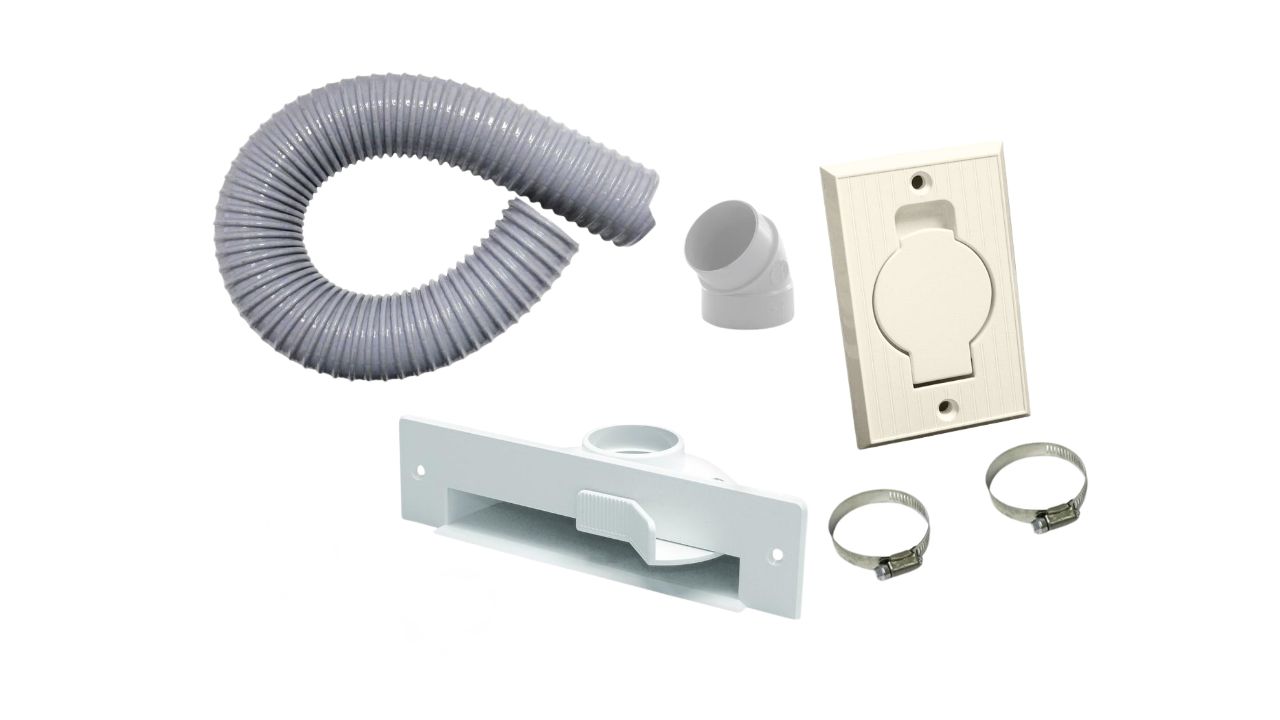
- A metal band or pin on the hose end bridges two contacts inside the valve opening, closing a 24-volt signal circuit, or on electric models, a 120-volt circuit.
- The signal travels through wire hidden in the wall to the power unit, usually in a basement or garage.
- The motor spins up, and suction reaches the inlet through rigid PVC pipe.
You feel like you flipped a switch. You actually completed a circuit.
The Forum Correction That Settles the Outlet vs Inlet Debate
Both terms work, but only one finds the right part. A RedFlagDeals user put it bluntly in a thread about a dead wall port: it’s a vacuum, not a blower, so they’re inlets, not outlets. Search “inlet valve” alongside “outlet” and you double your odds of landing on the right product page.
Dealers rarely correct the terminology on the phone, because a confused customer books a service visit instead of ordering a fifteen-dollar part online.
The Universal Inlet Standard Most Homes Already Have
Most rectangular wall inlets built since the late 1980s share the same hole size and screw spacing, so replacement doors and valves swap in without touching the mounting bracket behind the drywall. That fact saves more homeowners money than anything else in this guide.
Two Screws, One Hole: The Measurements That Make Inlets Interchangeable
Beam, built by Trovac Industries, standardized on this same footprint decades ago, alongside Drainvac, CycloVac, and OVO. Check Beam wall inlet valves if that nameplate matches your power unit before assuming a mismatch.
A standard inlet has a 1.5-inch hose opening with two mounting screws set roughly 4 inches apart, seated into a 1.625-inch bracket hole. Confirm those three numbers before you order anything.
- Roughly 98 percent of rectangular wall valves swap without touching the bracket behind the wall.
- A hose opening closer to 1.25 inches signals an older, nonstandard system, likely a legacy Sears or Kenmore install.
- The mounting bracket is permanent. It outlives every faceplate and valve body you’ll ever buy on top of it.
Run your measurements against our universal compatibility database before ordering, especially if your home predates 1995 or came with an unfamiliar brand name stamped on the faceplate.
The Spoon Test That Tells You Which Inlet Type You Own
Touch the back of a metal spoon to both contacts inside the valve opening. If the motor fires, you own a standard low-voltage inlet. Two extra small holes spaced about 0.375 inches apart, separate from the main contacts, mean you’re looking at an electric 110-volt valve instead.
Never poke anything into those small holes; they carry household current, not a 24-volt signal, and will shock you.
Full Face, Oval, and Square Doors: What Actually Lasts
Full-face doors, covering the entire valve opening with a single hinged plate, carry the strongest durability reputation among parts sellers and installers. Oval and square styles usually date an install to the 1990s or earlier, but swap to full-face hardware on the same bracket.
| Door Style | Durability Reputation | What It Replaces | Color Availability |
|---|---|---|---|
| Full-face | Strongest; fewer moving hinge parts | Oval, square, and most legacy doors | White, almond, ivory |
| Oval | Moderate; hinge wears over a decade | Square doors on the same bracket | Limited, mostly white |
| Square | Weakest seal at the corners | Nothing further back is standard | Rare, often discontinued |
White and almond dominate current stock; matching a 1990s beige or brown faceplate is the real hunt. Consider inlet covers and trim plates sold separately from the valve body if you only need to freshen the color, not the internal contacts.
Basic, Electric, and the Wiring Nobody Explains
Central vacuum inlets split into two families that look nearly identical: low-voltage valves that only send a signal, and electric valves that also deliver full household power to run a power brush. Confusing the two is the most common ordering mistake homeowners make.
Electrolux-branded power units ship with either low-voltage or electric inlets depending on the kit, so confirm which family yours belongs to before ordering parts. Compare Electrolux wall inlet options against the spoon test above.
Low Voltage Inlets: Why 24 Volts Runs the Whole Show
A low-voltage inlet carries a 24-volt on-and-off signal, not vacuum suction itself, through 20-gauge stranded wire daisy-chained from inlet to inlet back to the power unit. Suction always travels through the rigid pipe, never through the wire.
- No electrician is required. Two screws on the back of the valve hold the signal wires in place.
- Wiring runs in a chain, so one loose splice anywhere on the run can kill every inlet downstream of it.
- Testing at the valve itself, not the power unit, is the fastest way to isolate a break.
SuperValve and ElectraValve Are Not the Same Replacement Part
SuperValve and ElectraValve both deliver 120 volts to the hose for a power brush, but their connections don’t interchange, so ordering the wrong one means a plug that won’t seat. SuperValve, made by Hayden under Trovac Industries, uses a mounting plate with an integrated junction box and a permanent connection plug. ElectraValve, made by Canplas under the Vaculine line, uses a molded Romex plug with no junction box.
One owner learned this after ordering a replacement ElectraValve online: the newer E-box style doesn’t fit the mounting pattern of older, discontinued ElectraValve plates, even under the same brand name. Photograph your valve face before ordering; sellers match parts from a photo more reliably than a model year guess. See Electravalve inlet valve options for current SuperValve-compatible and ElectraValve-compatible parts.
Power brushes on either electric system draw between 1.2 and 2.5 amps through that 120-volt connection.
Pigtail or Direct Connect: Which Hose Your Inlet Really Supports
Direct-connect hoses only work with electric inlet valves, and standard low-voltage inlets reject them outright, so the hose and inlet have to match as a pair. Pigtail hoses plug into any nearby household outlet and work at any inlet, standard or electric.
Installers quietly favor pigtails for one reason: broken direct-connect pins mean an expensive hose repair, while a pigtail’s household plug is a five-dollar fix at any hardware store.
When Code Says an Electrician Must Touch Your Inlet
Electric inlet valves tie into a nearby 120-volt branch circuit, and that rough-in work falls under electrical code, specifically the NEC (NFPA 70), not central vacuum guidelines. Wire gauge on the valve has to match the gauge already running that circuit; a home wired with 12-gauge branch circuits needs a 12-gauge-compatible connection, not a mismatched 14-gauge splice.
The valve itself runs sixty dollars or so. Skipping the electrician on a 110-volt tie-in isn’t worth the risk. Builtinvacuum.com’s electric inlet valve installation guide walks through the rough-in sequence a licensed electrician will follow.
The Proprietary Inlets That Break the Universal Promise
Most central vacuum inlets in North America are interchangeable, but a handful of brands built proprietary systems that reject universal parts entirely, and that’s where the angry one-star reviews on universal inlet listings come from.
VacuFlo, NuTone 360, Budd, and Sears: The Compatibility Traps
VacuFlo semi-automatic valves, built by H-P Products, fit only VacuFlo systems; no universal substitute applies. NuTone 360-style valves, sold under Broan-NuTone’s central vacuum line after Nortek’s consolidation of the brand’s residential vacuum lines, use their own opening pattern. Older Budd and Sears/Kenmore installs used a 1.25-inch bore or a press-copper, button-activated style that predates the modern 1.5-inch standard.
| Brand | Inlet Style | Universal or Proprietary | Replacement Path |
|---|---|---|---|
| VacuFlo | Semi-automatic valve | Proprietary | VacuFlo-specific parts or a conversion kit |
| NuTone 360 | Round-pattern valve | Proprietary | Brand-specific plate matched to the original model |
| Budd | Press-copper button valve | Proprietary, discontinued | Full bracket replacement usually required |
| Sears/Kenmore | 1.25-inch bore valve | Proprietary, discontinued | Full bracket replacement usually required |
These four exceptions explain most negative reviews under any “universal” inlet listing online: the buyer measured a 1.5-inch opening on a different inlet in the house, ordered a universal valve, and it never fit the proprietary one in the kitchen.
Broan-NuTone doesn’t lock every inlet into that pattern; some standard wall-mount lines use the shared universal footprint instead. Compare Broan wall-mounted inlet valves against your bracket measurements first.
For inlets that do carry the NuTone 360 pattern, stick with NuTone wall outlet plates built to spec.
Why Your New Costco Hose Won’t Wake an Old Inlet
A brand-new hose that won’t trigger a decades-old inlet usually points to geometry, not a broken system. Newer hose cuffs sometimes sit shallower than older designs, missing worn or recessed contact points by a few millimeters.
One RedFlagDeals owner traced this after buying a new hose: the old hose still worked fine in the same inlet, ruling out the wiring and power unit entirely. The shorter new cuff failed to reach contacts that had receded slightly after twenty years of insertions. Updating the faceplate, not the wiring, fixed it for under twenty dollars.
Upgrade Kits That Convert Proprietary Inlets to Standard
VacuFlo and similar proprietary brands sell conversion kits that open a locked-in system to standard, universal hoses and tools, beating the hunt for a discontinued part every time a hinge cracks. Check Vacuflo inlet valve models for current conversion-compatible options before assuming a proprietary system needs full replacement.
How Many Outlets Your Home Actually Needs
Central vacuum coverage comes down to hose reach, not square footage alone, and dealer diagrams that push extra inlets often sell coverage the house doesn’t need. A 30-foot hose, walked room to room, tells you more than any formula.
The String Test Installers Use Before Cutting Any Drywall
Cut a length of string to match your hose length, then walk it from each planned inlet location to every corner it needs to reach, around furniture and doorways, not across an empty floor plan. Subtract roughly 3 feet for the rise from the inlet up to your hand.
Hallway walls and shared doorway walls let a single inlet cover two or three adjoining rooms at once, which is why installers cluster inlets near hallway intersections.
One Inlet Per 500 to 700 Square Feet: The Honest Math
Manufacturer guidance disagrees on this number, and pretending otherwise doesn’t help. Installer documentation quotes anywhere from one inlet per 600 square feet to 700 to 1,000 square feet with a 30-foot hose, while furnished homes with hallways and closed doors often land closer to 500 square feet per inlet. Open floor plans push toward the higher end; hallway mazes and heavy furniture push toward the lower end.
A 35-foot hose extends reach past the standard 30-foot length, but it adds roughly 14 percent more airflow resistance, costing you some suction at the farthest inlet in exchange.
Why Fewer, Smarter Inlets Beat More Everywhere
Every additional inlet is another door that can leak air, quietly bleeding suction even when closed. Placement quality decides real-world coverage more than raw inlet count ever will.
- Map hallway intersections and shared walls first, before counting rooms.
- Place inlets to cover two or three rooms each wherever door layout allows it.
- Add a garage or utility inlet last, only if daily use justifies it.
- Skip inlets in rarely used spaces; an idle valve still ages, warps, and eventually leaks.
Consider installing an inlet in your garage as a genuinely high-use exception to the “fewer is better” rule, since garages generate debris a portable shop vac otherwise has to handle.
Fixing the Outlet That Stopped Turning the System On
A dead inlet rarely means opening a wall. Most failures trace back to the valve face, a wire splice, or a corroded contact, all fixable for the price of a small part.
The Coin Trick That Isolates a Dead Inlet in Seconds
Bridge the two low-voltage contacts inside the inlet opening with a coin. Motor fires: the inlet is fine and the problem is in your hose or its on/off switch. Motor stays silent: the fault sits somewhere between that valve, the wire run, or a splice back toward the power unit.
Test every inlet this way before assuming the power unit has failed. Builtinvacuum.com’s central vacuum troubleshooting flowchart walks through the next diagnostic step once you’ve isolated the fault.
Rusted Contacts, Cut Wire, or an Inlet Connected to Nothing
Corroded contact pins are a fifteen-dollar faceplate swap, not a job worth paying an installer for. Drywall screws driven without checking for hidden wire runs sever more low-voltage wiring than age ever does.
One forum thread turned up a stranger case: a bedroom inlet never wired to the power unit at all, a builder-grade oversight nobody noticed because the room simply used a different inlet down the hall. Don’t rule out an inlet that was never hooked up. Start any replacing a worn-out inlet valve project by confirming the wire is actually live before you buy a new valve body.
The Leaky Door Quietly Stealing Your Suction
Stand next to a closed inlet door while the system runs elsewhere, and a faint hiss means that door is leaking suction from the rest of the system. Worn gaskets and cracked hinges are the usual cause.
Walk the house room by room while the unit runs. Check forgotten inlets in closets, laundry rooms, and garages first; those get opened least and hide the most damage.
Specialty Inlets Worth Knowing Before You Renovate
Standard wall inlets cover most rooms, but three specialty inlet types solve problems a basic valve can’t, and they’re worth knowing about before you finalize a renovation plan.
VacPan Sweep Inlets: The Kitchen Upgrade Owners Actually Rave About
A VacPan is a toe-activated inlet built into a kitchen or bathroom toe kick, and it inhales swept debris the moment you press the pedal, no dustpan required. Owners consistently name this the one feature they’d install again without hesitation.
VacPans install in kitchens, bathrooms, laundry rooms, and mudrooms wherever a toe kick or baseboard cavity exists. Flex pipe kits make retrofitting one into existing cabinetry realistic. Look into dedicated kitchen vacuum connections if crumbs collect at the same spot on your kitchen floor every week.
Check baseboard-level central vac inlets for other toe-kick and baseboard mounting options beyond the kitchen.
Retractable Hose Valves and the Version Trap Nobody Mentions
A retractable hose valve stores the hose inside the pipe itself and pulls it back in by suction alone when you’re done, no coiling required. Hide-A-Hose, built by MD Manufacturing, is the best-known version; its HS5000 valve series was standard from 2007 until August 2024, when the HS6000 series replaced it.
Older HS5000-series valves need a conversion kit to accept HS6000-generation hose ends; a faceplate swap won’t do it. WallyFlex offers a comparable retractable approach worth comparing; see WallyFlex retractable hose inlets for how its hose storage differs from Hide-A-Hose.
Utility Valves: The Garage Inlet You Forgot You Had
A utility valve is a bare, undressed inlet mounted directly on or near the power unit, and it handles garage and car cleanup without running pipe to a separate wall location. The power unit’s intake port doubles as a clog-clearing tool: reversing airflow through it dislodges debris jammed at the first elbow in the pipe run.
It’s the cheapest inlet in the system, and in households that clean the garage weekly, often the most used. Check floor-mounted vacuum inlet valves if wall space near the power unit is limited.
The Other Outlet: Where Your Vacuum Actually Exhausts
The exhaust vent is the one part of a central vacuum system that’s genuinely an outlet, since air leaves the house through it instead of entering the system. Confusing this vent with the wall inlet is the second most common terminology mix-up after “outlet vs. inlet” itself.
Why the Exhaust Vent Counts as the Real Outlet
Fine dust the filter or bag doesn’t catch leaves the house through the exhaust vent, not back into the room you’re cleaning. Cyclonic, bagless power units depend entirely on that outdoor exhaust line to keep fine particulate out of the home’s air rather than recirculating it indoors. A vent cap on the exhaust line keeps pests and weather out of the pipe.
Venting Outside: The Short Run Rule That Protects Suction
Keep exhaust pipe runs under roughly 15 feet with minimal bends, since long runs and tight elbows create backpressure that fights the motor from the exhaust side. Never vent into an attic or an enclosed wall cavity; trapped dust in an unventilated space becomes a moisture magnet and, over time, a mold risk.
A vent cap costs less than a service call to diagnose backpressure that turns out to be nothing more than a blocked exhaust run.
Conclusion
You started this wondering if a dead wall port meant opening drywall. It doesn’t. What you’re looking at is a standardized inlet valve you can test with a coin, measure against a universal spec, and replace yourself in most homes. Tonight, open every inlet door, touch the two contacts with a spoon, and write down which ones wake the motor and which don’t. A portable vacuum wears out completely every few years. These wall valves cost less than a pizza to renew, and the pipe behind them will outlast every motor you ever install.
Frequently Asked Questions
What is a central vacuum outlet called, inlet, valve, or wall plate?
All three terms describe the same part; the industry and parts catalogs default to “inlet valve,” while homeowners typically search “outlet.” Use both terms when searching for replacement parts to avoid missing the right listing.
What is the difference between a low-voltage inlet and an electric inlet?
A low-voltage inlet only sends a 24-volt signal to start the motor, while an electric inlet, sold as SuperValve or ElectraValve, also delivers 120 volts to power a power brush at the hose end. SuperValve and ElectraValve are not interchangeable with each other.
Why does my central vacuum turn on at some outlets but not others?
Usually a break in the low-voltage wire chain, corroded contacts, or a splice failure between that inlet and the power unit. Test each dead inlet with the coin trick before assuming the power unit itself has failed.
How many outlets does a central vacuum system need for my square footage?
Plan for roughly one inlet per 500 to 700 square feet, adjusted by hose length and your home’s layout. Run the string test with your actual hose before finalizing inlet locations.
Can I replace a central vacuum inlet valve myself?
Yes, for standard low-voltage inlets, since the wiring involves only two screws and no household current. Electric inlet valves tied into a 120-volt branch circuit should go to a licensed electrician to stay within NEC code.